
By: Hanna Guerrero
October 8, 2026
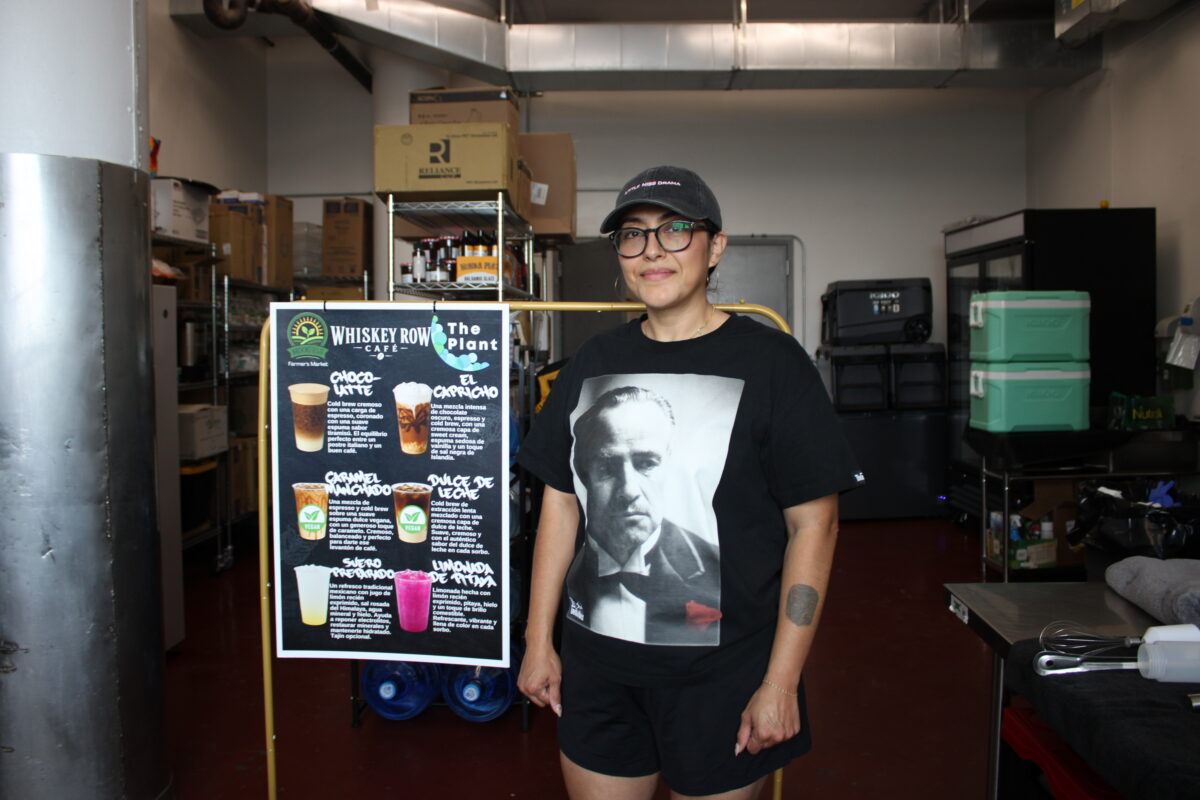
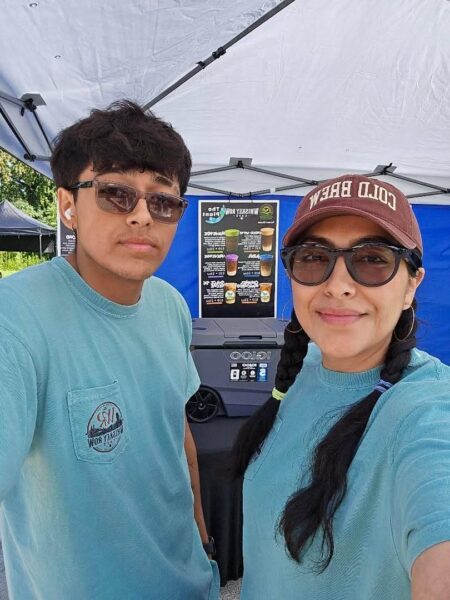
On the weekends, Maria Rodriguez and her son Anthony take their places behind the counter of Whiskey Row Cafe, a pop-up coffee shop that operates in Chicago’s Back of the Yards neighborhood and at the Brookfield Farmer’s Market. They serve El Capricho, a cold brew made with dark chocolate, espresso, and sweet cream foam, named after the Pilsen home, where Maria grew up. Next to it is el suero preparado, an ode to the electrolyte drink that nourished her as a child. Every item on the menu carries a piece of her life story.
Whiskey Row Cafe is one of more than twenty small businesses thriving inside The Plant, a repurposed meatpacking facility in Back of the Yards. Maria is the daughter of Mexican immigrants who lives with a dynamic disability, and her culture, family, and neighborhood shape everything she creates. During the week, she works tirelessly in her kitchen, developing new drinks and desserts for her loyal customers.
But ten years ago, Maria could not have imagined any of this.
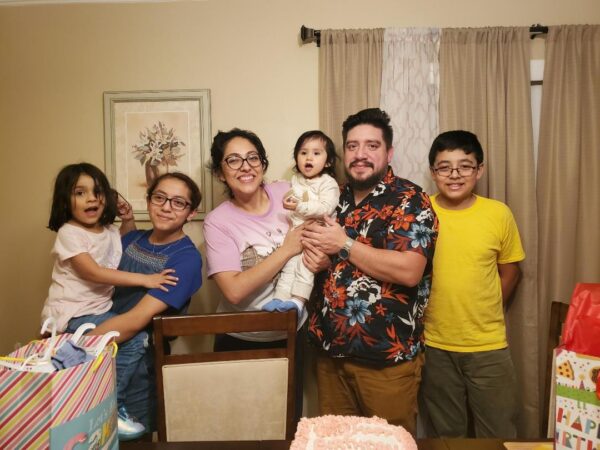
She was living in her parents’ basement in Pilsen with her four children. “I was struggling to see myself as a person,” Maria recalls. She felt lost and doubted she would ever be able to live on her own, let alone run a business.
Then The Resurrection Project (TRP) “opened the door.”
This Hispanic Heritage Month, we celebrate Maria’s journey from struggling in that basement to thriving as a proud homeowner and local business owner. Her story shows what one person can do for their community when given the right opportunity.
Maria became disabled in her early twenties. Her disabilities are dynamic, which means they shift from day to day. Some days she needs a cane, some days a wheelchair, and some days she looks healthy to the outside world. When she applied to TRP’s apartments, she was mostly wheelchair-bound, and an apartment with an elevator felt out of reach.
The Call the Changed Everything
Nearly a year after applying for an accessible apartment, her phone rang.
“A man at TRP called me and said, ‘This is a one-in-a-million opportunity. You’re so lucky.’ And I knew he was right,” said Maria, holding back tears.
The transformative impact of a handicapped-accessible apartment at Casa Morelos was profound: “It pushed my life. It made me better,” she shares, highlighting how this opportunity gave her the independence and dignity she needed.
But Maria didn’t just take shelter in TRP housing. She embraced every resource TRP offered.
Alivio Medical Center was next door for her doctor’s appointments, and her children walked down the block to school. Her property manager hung flyers and encouraged neighbors to sign up for TRP’s homebuyer education classes.
The more classes she took, the more empowered she felt to take the next step and purchase a home.
“It made me believe so much in myself that I bought a house,” she said.
In 2018, Maria bought a home in Back of the Yards. TRP played a crucial role in Maria’s homebuying journey by offering stable, affordable housing and guidance through homebuyer education classes.
Starting with a Six-Foot Table
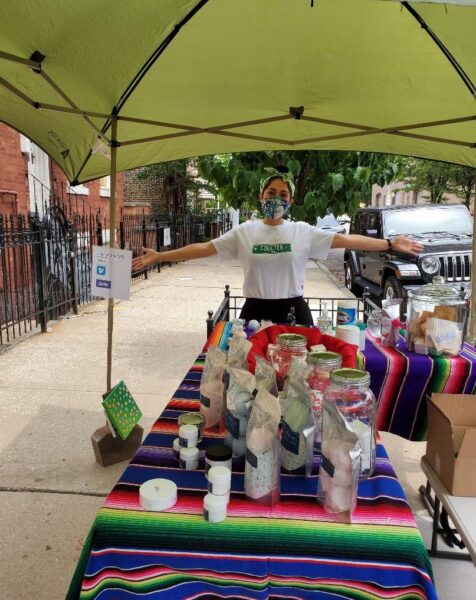
Maria’s dreams didn’t stop at homeownership. While preparing for homeownership, she nurtured the seeds of a business that reflected her Mexican culture, her creativity, and her family. Maria’s business began as an apothecary, with bath and beauty products sold from a six-foot table outside her mother’s house in Pilsen. She had no grants, no loans, and no family wealth. Maria took every free class she could find, from city certifications to incubator programs, and slowly shifted from apothecary goods to coffee.
“I’m a hustler. That’s who I’ve always been,” Maria said. “Because TRP and the community showed up for me, I know I can succeed—and hopefully inspire others.”
Today, Whiskey Row Coffee serves resilience in every cup.
Maria’s an active member of the Back of the Yards community and continually gives back. She has led voter registration efforts and started a clothing exchange for neighbors. She still turns to TRP for homeowner support services. On her block are eight empty lots, so she knows why TRP’s work to reclaim homes in her neighborhood matters.
When she looks at her life today, she traces it all back to that phone call from TRP.
“It was TRP,” she said. “It opened the door.”
For many families, an affordable and stable home is the first step toward a brighter future. For one former resident of TRP’s apartments, that home became a launching pad for something extraordinary: her journey into independence as a dynamically disabled person and small business ownership. When we invest in housing, we invest in families, local businesses, and the communities they strengthen.
Learn more about TRP’s housing and financial services on our website . You can also learn more about Whiskey Row Coffee by following them on social media and visiting them at the Plant.
#
About The Resurrection Project
Founded in 1990, The Resurrection Project (TRP) builds community and
champions justice so immigrants and families have the power to shape
their futures. Through our interconnected Housing and Immigrant Justice
work, we provide essential services, organize and lift community voices, and
strengthen the ecosystems needed to create lasting change. We build
homes. We build justice. We build belonging. And together, we create a
future where everyone has a place to stand, grow and dream.